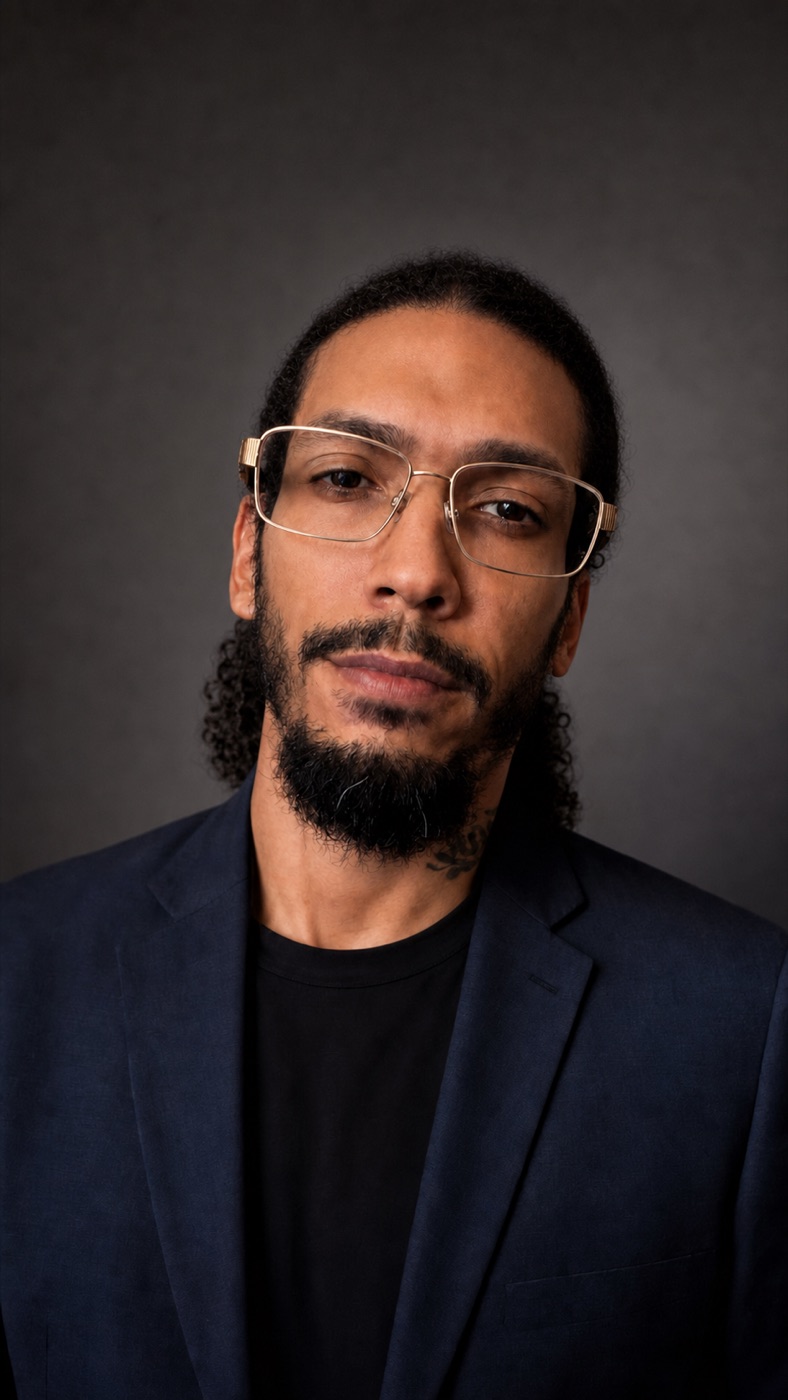
Justin Boswell
Author of Hard To Replace™. Creator of the keynote, the workshop, and the coursework built on it.
Biography
Justin Boswell wrote The Making of a High-Value Man and built the Hard To Replace™ method around a single question: what actually makes a person worth keeping?
His answer is that potential is not the finish line. Value shows up when strength becomes useful. When someone carries responsibility without being asked, holds a standard nobody is checking, and finishes what they said they would finish. Become strong. Become useful. Become hard to replace.
He teaches it as behavior rather than vocabulary. Four pillars: ownership, discipline, accountability, leadership. People do not leave his sessions with a feeling. They leave able to say what they are taking ownership of, what standard they are holding, and when someone will check.
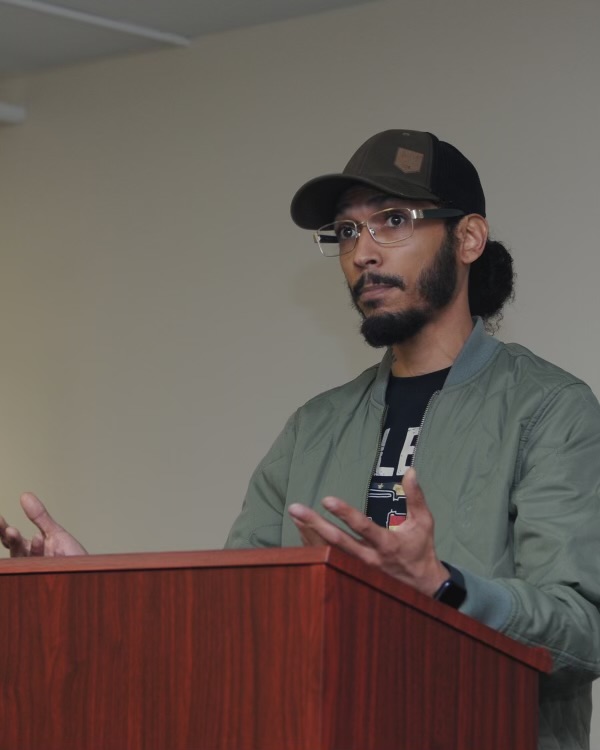
He speaks to colleges, high schools, companies and frontline teams. The framing changes for each room. The standard does not.
Why this work exists.
At the center of Justin's work is a simple conviction: the people and organizations that become hardest to replace are not those that demand importance. They earn it by making everything around them stronger.
The world doesn't need more excuses. It needs more capable people.
The work, in practice.
The philosophy is not theoretical. It gets delivered in rooms full of people who have to work together again on Monday, and it is judged by what they do differently when they get there.
What the work is built on.
Hard To Replace™ began from a single observation: almost everyone is told they have potential, and almost no one is told what to do with it.
Potential is a promise. Value is a record. The gap between them is where most careers, most teams, and most good intentions quietly stall. It is not closed by motivation. It is closed by ownership, discipline, accountability, and leadership, applied consistently enough to become who a person actually is.
The work refuses one interpretation completely. Being hard to replace has nothing to do with hoarding knowledge, protecting territory, or engineering a role no one else can perform. That is not value; it is risk. The people who are genuinely hard to replace are the ones who document what they know, train the person behind them, and raise a standard that outlives their own tenure.
The people who are hardest to replace make everything around them stronger.
How Justin works.
Truth before opinion
Start from what is actually so, not from what would be convenient.
Demand before creation
Build what people genuinely need, not what is interesting to build.
Strategy before tactics
Decide the direction before optimizing the steps.
Execution before applause
Do the work, then let it be seen.
Results before ego
The outcome matters more than who gets credit for it.
Individuals and the organizations they work in.
Individuals
People who suspect they are capable of more than their contribution currently shows, and who want a standard rather than a slogan.
Leaders
Managers carrying weight that belongs to their team, who need people to claim responsibility instead of waiting for it.
Organizations
Companies and associations that are paying for potential and receiving inconsistency, and want a shared language for what good actually looks like.
The people who are hardest to replace make everything around them stronger.
What people say.
“This talk forced us to stop making excuses and take ownership.”
“We left with a clear standard: be hard to replace in how you show up.”
“Justin gives you a standard for accountability you can actually live up to.”
Where to go from here.
Read the argument in full, or talk to Justin about bringing it to your organization.